
What Is Disability Pride Month? History, Meaning, and Why It Matters
Disability Pride Month
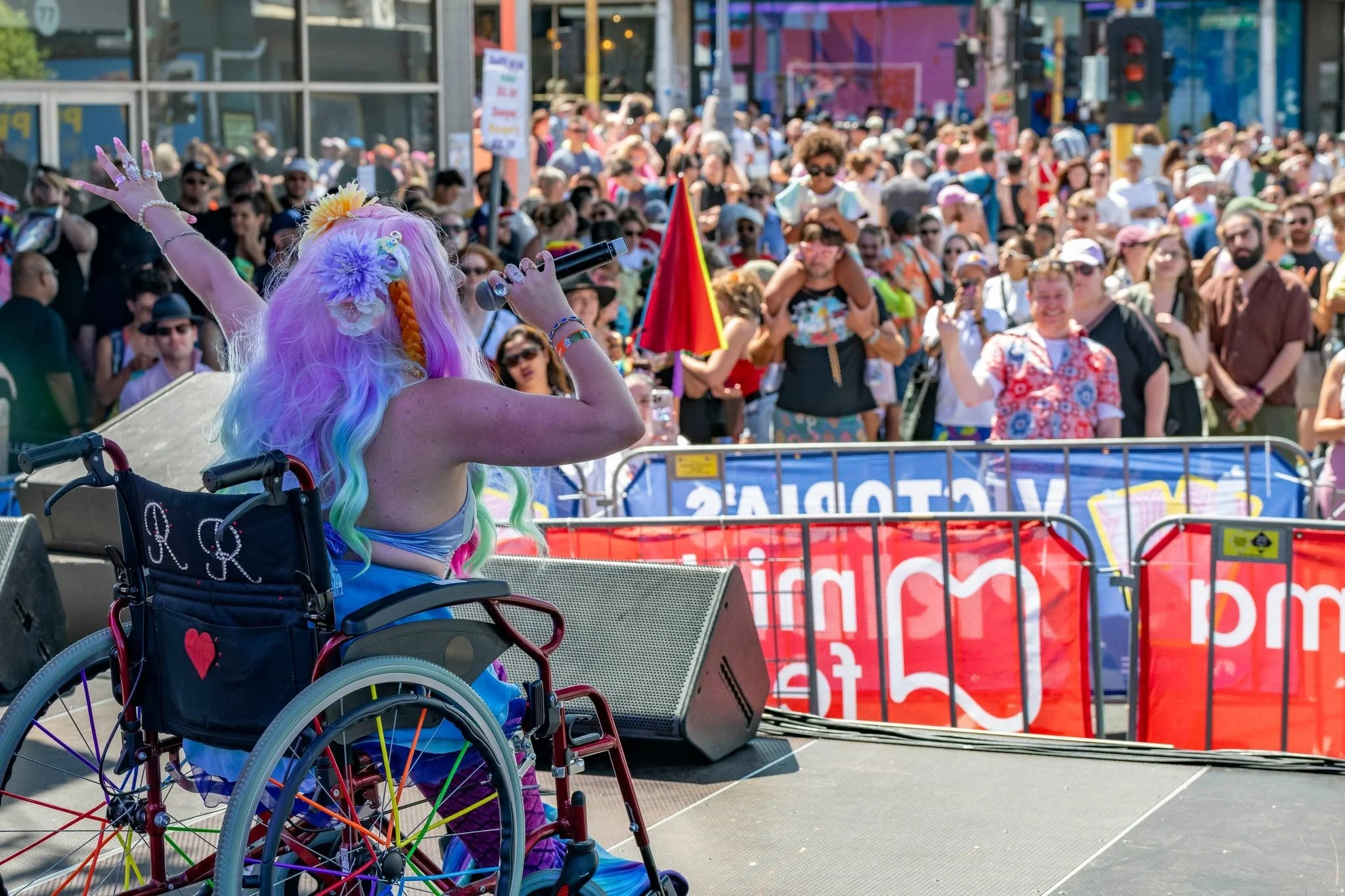
July is #DisabilityPrideMonth, a time to amplify the voices of disabled people and celebrate disability as a valued part of human diversity. But to understand why this month carries such weight, we need to go back to the moment that started it all.
The History Behind Disability Pride Month
On July 26, 1990, President George H. W. Bush signed the Americans with Disabilities Act (ADA) into law, prohibiting discrimination against people with disabilities. The law was the result of years of tireless advocacy from the disability community. Each July is now celebrated as Disability Pride Month in commemoration of that historic moment.
What Disability Pride Month Actually Means
At its heart, Disability Pride Month celebrates people with disabilities, their identities, their culture, and their contributions to society. It sets out to change the way we think about and define disability altogether, to end the stigma, and to advance the belief that disability is a natural part of human diversity something to take pride in rather than something to hide.
It's a chance for disabled people to come together and celebrate being themselves, whatever their differences. And it's equally a chance to raise awareness of the very real challenges they still face every single day in the pursuit of being treated equally.
The Social Model of Disability
Disability Pride is built upon the social model of disability, which deliberately moves away from the medical model. Within the social model, disability is determined by the standard set in the environment. If every building and walkway had step-free access and smooth surfaces, wheelchair users would be far less disadvantaged. The model identifies the barriers physical, organisational, attitudinal, and social and seeks to change those barriers rather than the person. When the barriers fall away, disabled people can be independent and equal.
The Disability Pride Flag and What Its Colours Mean

Disability Pride Flag
One of the most powerful symbols to emerge from this movement is the disability pride flag, and every element of it carries meaning:
Red represents physical disabilities.
Gold represents neurodivergence, such as autism and ADHD.
White represents invisible and undiagnosed disabilities.
Blue represents mental illnesses.
Green represents sensory disabilities.
The colours run in a horizontal line across the flag, symbolizing the act of cutting through the barriers that disabled people face. The dark background carries a heavier meaning still, it honours those who have lost their lives as a result of ableist violence or negligence.
Why This All Still Matters?
In Australia, 4.4 million people live with disability, making July a time to celebrate and reflect on what it means to be disabled.
While 80% of working-aged Australians without disability are employed, only half of working-aged Australians with disability are in jobs.
Working part-time hours (less than 35 hours per week) proved better for people's mental health than not working at all and yet many people with disability report feeling "pushed" into early retirement.
The question is, when does exclusion begin?
To understand how these inequalities take root, we have to look at schools. Recent research highlighted in The Conversation found that a staggering 70% of surveyed Australian students with a disability report being excluded from events or activities at school, such as excursions. Only 54% felt welcome, just 27% felt supported to learn, and 65% reported experiencing bullying.
The hopeful part is that inclusion demonstrably works. A 2021 meta-analysis showed that inclusion at all levels of education reduces discrimination, prejudice. Advocates are now pushing for the next National School Reform Agreement in Australia to commit specific funding for students with disability and proper training for their educators. Well-funded inclusive education isn't a nice-to-have; it's a human right.
There's No Wrong Way to Mark the Month
Disability Pride Month is more than a celebration; it is a reminder that awareness and support from people outside the disabled community are crucial for the continued movement toward equality in all areas of life. Whether you live with a disability or want to be an ally, July offers an invitation to learn, listen, challenge ableist attitudes, and help dismantle the barriers that still stand in the way.
Disability is a natural part of human diversity and that is something worth taking pride in, in July and every month that follows.